CUMMING, Ga. — Yes, Forsyth County's tap water is safe to use and drink, the county says. The county's treatment cut MIB from about 213 ppt to about 22.3 ppt in samples taken Sept. 1 — roughly 90% — but the treated water remained above the county's stated taste-detection level of about 10 ppt. County notice, Sept. 14
What is causing the taste?
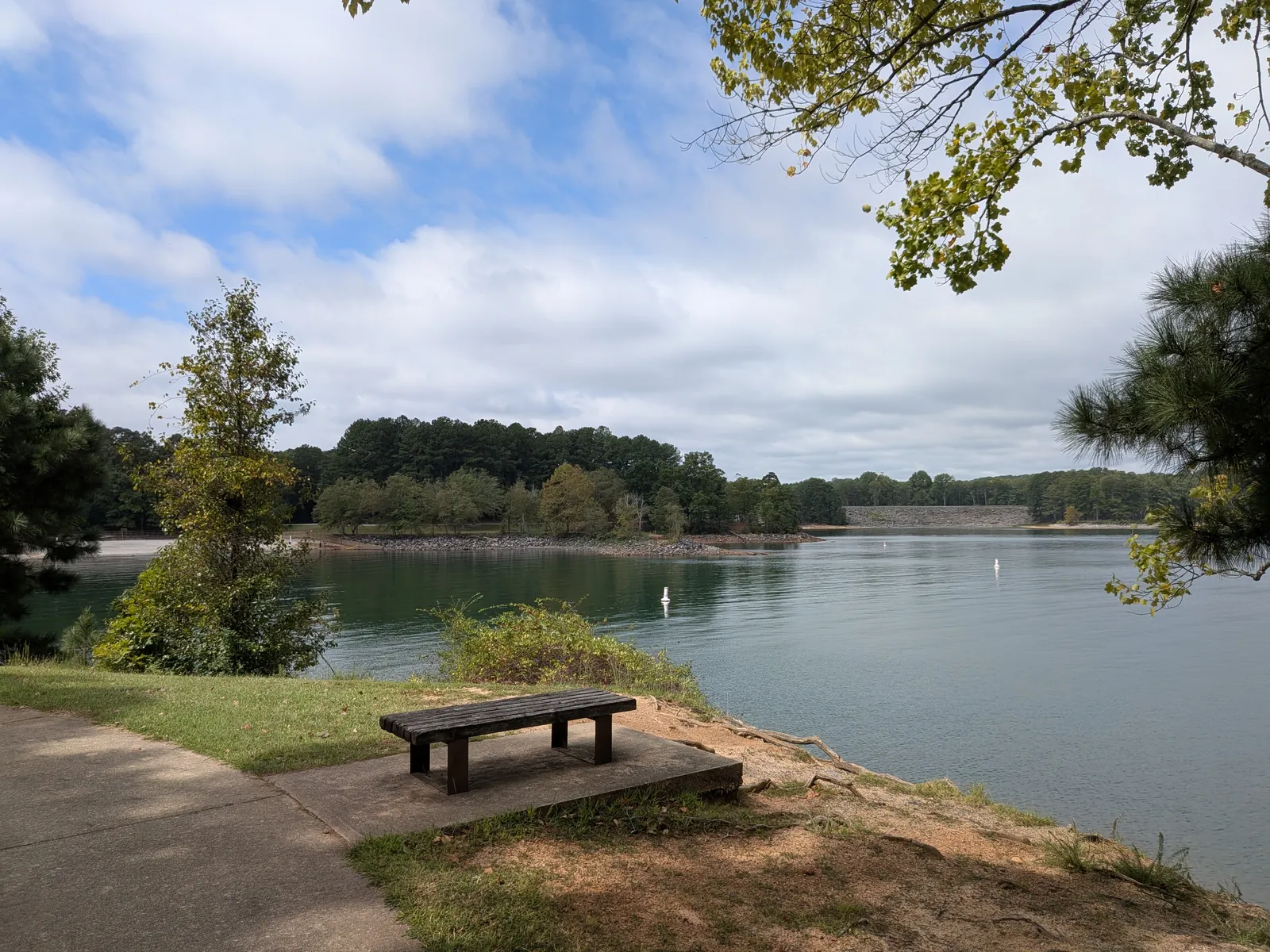
Forsyth County draws its raw water from Lake Lanier. In late summer and fall, algae blooms in the lake can produce two naturally occurring compounds: MIB and geosmin. The county says cyanobacteria, also called blue-green algae, produce the compounds, which are released as the algae decompose. They can make water smell or taste earthy or musty without making the water unsafe to drink. County MIB/Geosmin information sheet, Sept. 2026
The county's Water & Sewer Department uses ozone to reduce the compounds. But the county's information sheet says ozone “significantly lowers” MIB and geosmin and “may not remove them completely.” That is why treatment and an earthy taste can both be true at the same time.
What do the county's numbers show?
The county notice reports results from samples taken Sept. 1, 2026:
- Raw water entering the county's treatment facility measured about 213 ppt MIB.
- Water entering distribution after treatment measured about 22.3 ppt MIB.
- The county says taste becomes “noticeable ... around 10 ppt.”
That is a reduction of roughly 90%, but the treated-water result remained above the level the county says some people can taste. These figures are from Sept. 1 samples, not a current measurement; the county has not said in the notice whether levels have risen or fallen since then.
Some customers may also notice a chlorine taste or odor while the treatment settles through the distribution system, and the county says those changes have historically subsided as water temperatures cool, without naming a month. Forsyth County notice, Sept. 14
What about Cumming customers?
The county notice covers Forsyth County, the City of Cumming and other utilities that draw from Lake Lanier. The 213-ppt raw-water and 22.3-ppt treated-water figures, however, describe water at the Forsyth County treatment facility. Cumming Utilities operates its own system and says it uses powdered activated carbon when Lake Lanier's MIB and geosmin levels affect its raw-water supply. Cumming customers should use the utility's taste-and-odor information and complaint form.
What happens next?
Forsyth County says it is planning improvements to expand ozone treatment throughout the entire treatment process. The county's information sheet does not provide a project name, schedule, cost or funding status.
Bottom line
The county's answer is straightforward: the water is safe to drink. The earthy taste remains because treatment substantially reduces MIB but, in the Sept. 1 samples, did not reduce it below the county's approximately 10-ppt taste threshold.
Regional context
The AJC reported Sept. 20 that the musty taste is a recurring fall event associated with Lake Lanier's seasonal turnover. Hoodline reported Sept. 5 that cooling surface water sinks and mixes with deeper lake layers, and Appen Media repeated the county's safety statement and figures Sept. 24. Those reports provide regional context; the Forsyth-specific measurements above come from the county notice.